In our modern era, where technology advances at an exponential rate, it is imperative for individuals to continuously adapt and learn new skills in order to thrive in a competitive world. The concept of lifelong learning has become increasingly relevant as industries evolve and traditional job roles are replaced by automation and artificial intelligence.
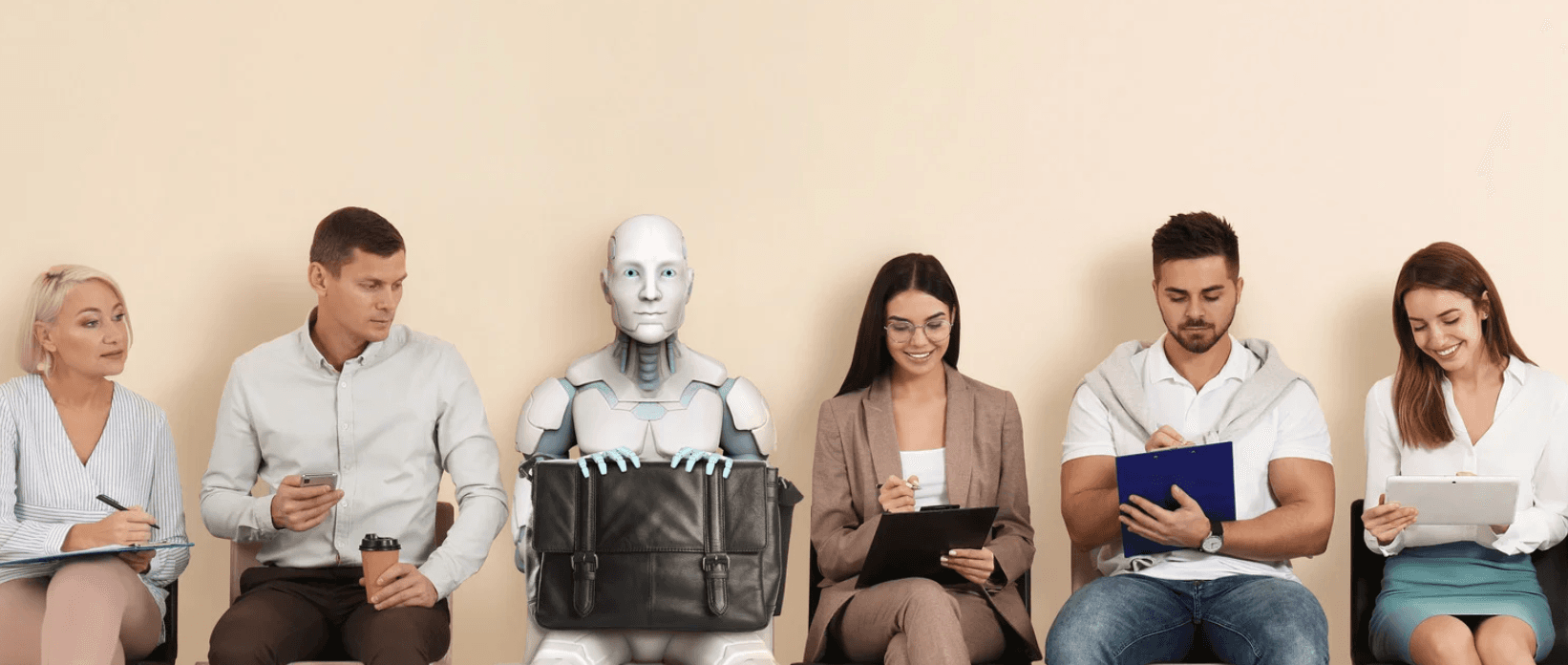
Lifelong learning refers to the idea of constantly seeking new knowledge and skills throughout one's life, regardless of age or stage of career. It involves a proactive approach to personal and professional development, with the goal of staying relevant and competitive in a rapidly changing job market. Lifelong learning is not just about acquiring new qualifications or certifications, but also about developing critical thinking, problem-solving, and communication skills that are essential in our complex and interconnected world.
One of the key benefits of lifelong learning is the ability to adapt to change and embrace new opportunities. As industries become more specialized and job roles become more fluid, individuals who are committed to continuous learning are better equipped to navigate these changes and seize new opportunities for personal and professional growth. Lifelong learners are able to anticipate trends, innovate, and stay ahead of the curve in their respective fields.
Another advantage of lifelong learning is the ability to boost one's career prospects and earning potential. Employers value individuals who are committed to self-improvement and are willing to invest in their own development. By continuously updating their skills and knowledge, lifelong learners are able to enhance their value to employers and position themselves for advancement within their organizations. Moreover, lifelong learning can open doors to new career paths and industries, providing individuals with greater flexibility and opportunities for career growth.
Lifelong learning also plays a crucial role in fostering personal growth and fulfillment. By challenging themselves to learn new things and step outside their comfort zones, individuals can expand their horizons, broaden their perspectives, and develop a greater sense of self-confidence and self-efficacy. Lifelong learning not only enhances cognitive abilities and intellectual curiosity but also instills a sense of resilience and adaptability that are valuable traits in both personal and professional settings.
In today's fast-paced and competitive world, lifelong learning is no longer a luxury but a necessity for individuals who wish to thrive and succeed. The ability to learn, unlearn, and relearn is essential for individuals to stay relevant and competitive in a rapidly changing job market. Lifelong learners are able to adapt to new technologies, trends, and challenges, and are better equipped to thrive in a rapidly changing job market.
However, despite the numerous benefits of lifelong learning, many individuals face barriers that prevent them from engaging in continuous personal and professional development. These barriers may include limited time and resources, competing priorities, lack of access to education and training opportunities, and fear of failure or rejection. It is important for individuals to identify and address these barriers in order to fully realize the benefits of lifelong learning and unlock their full potential.
Fortunately, there are a variety of ways in which individuals can overcome these barriers and engage in lifelong learning. Online learning platforms, such as Coursera, Udemy, and LinkedIn Learning, offer a wide range of courses and resources that allow individuals to learn at their own pace, on their own schedule, and from anywhere in the world. These platforms provide individuals with access to high-quality education and training opportunities, regardless of their geographic location or financial resources.
Furthermore, many organizations offer professional development and training programs to support their employees' continuous learning and growth. Employers recognize the value of investing in their employees' development and are willing to provide access to resources, mentorship, and opportunities for advancement. By taking advantage of these programs and initiatives, individuals can enhance their skills, expand their knowledge, and increase their career prospects.
kd2kub